How Transaction Choices Influence Sequential Reward Unlocks in Sweden's Licensed Mobile Gaming Apps
Felix Frank · Sep 27, 2026
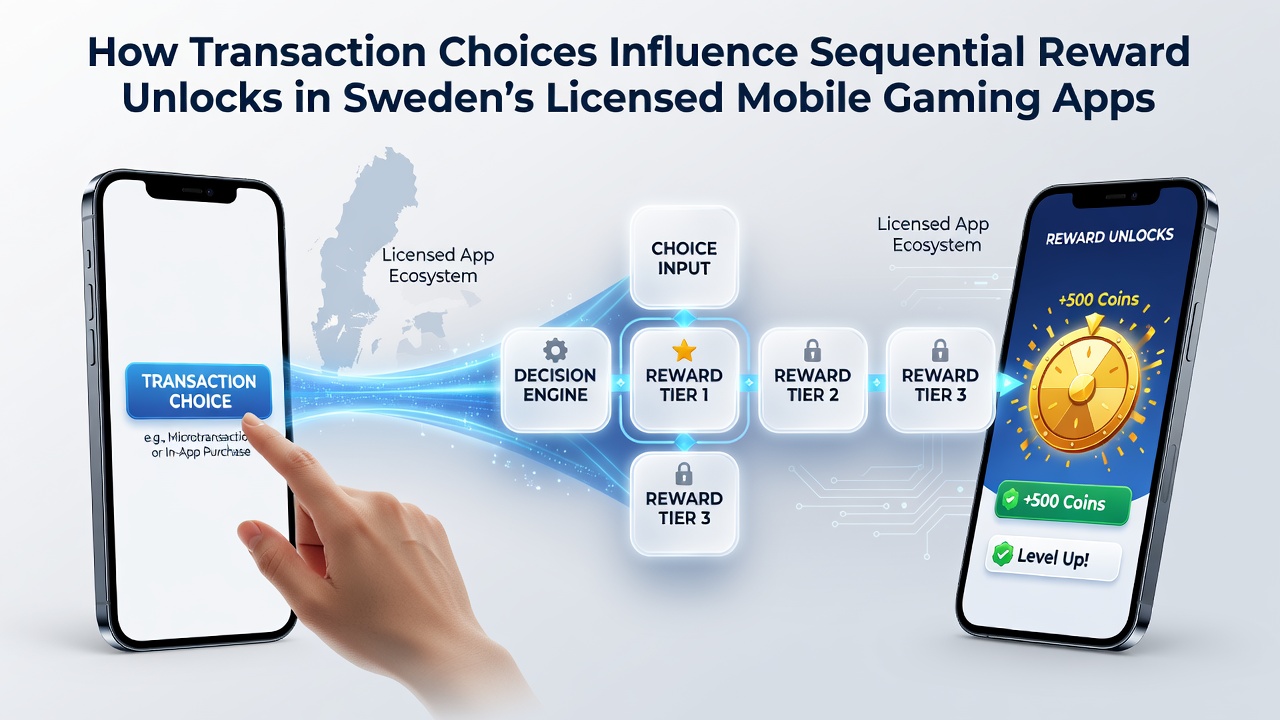
How Transaction Choices Influence Sequential Reward Unlocks in Sweden's Licensed Mobile Gaming Apps
Transaction methods selected by players in Sweden's licensed mobile gaming apps determine the pace and structure of sequential reward unlocks, with data from regulatory filings showing clear patterns across different deposit types. Licensed operators must comply with Spelinspektionen rules that tie bonus progression to verified transactions, creating layered systems where each payment method triggers distinct verification timelines and unlock sequences.
Payment Method Categories and Their Role in Reward Timing
Swedish regulations require all mobile gaming transactions to route through approved channels, and each channel carries specific processing characteristics that affect how rewards advance. Bank transfers typically process within one to three business days, which aligns sequential unlocks with slower verification cycles compared to instant options like Swish or certain e-wallets. Card payments often complete in minutes but trigger additional identity checks that can pause reward progression until the next business day.
Observers note that players who rely on instant methods encounter earlier milestone triggers because the system registers the deposit immediately, allowing the first reward layer to activate without delay. Those using traditional bank transfers see rewards unlock in batches that coincide with settlement dates, producing staggered sequences rather than continuous progression.
Sequential Unlock Mechanics in Licensed Environments
Sequential rewards in these apps follow a tiered structure where each stage requires a completed transaction plus a minimum wagering threshold. The first unlock usually activates upon deposit confirmation, while subsequent layers demand cumulative activity measured from that initial transaction. Data indicates that e-wallet users reach the second tier faster on average because their transactions clear without manual review periods.
Research from Nordic gaming platforms reveals that transaction size also influences unlock velocity, with larger single deposits sometimes compressing multiple layers into one verification cycle. Smaller, repeated transactions through the same method stretch the sequence across several days, even when total amounts match. This dynamic appears consistently in operator reports submitted to regulators through 2025 and into projected 2026 compliance cycles.
Regulatory Framework and September 2026 Updates
Spelinspektionen maintains oversight of all licensed mobile apps, enforcing transaction traceability that directly shapes reward sequencing. Current rules require real-time reporting of deposits above certain thresholds, which influences how quickly operators can release layered bonuses. Starting in September 2026, updated technical standards will mandate enhanced API integration between payment providers and gaming systems, potentially shortening verification windows for all transaction types.
These forthcoming requirements build on existing EU-aligned directives that emphasize consumer protection through transparent unlock conditions. Operators have already begun adjusting mobile platforms to accommodate faster data exchange, which should reduce gaps between deposit and reward activation regardless of method chosen.
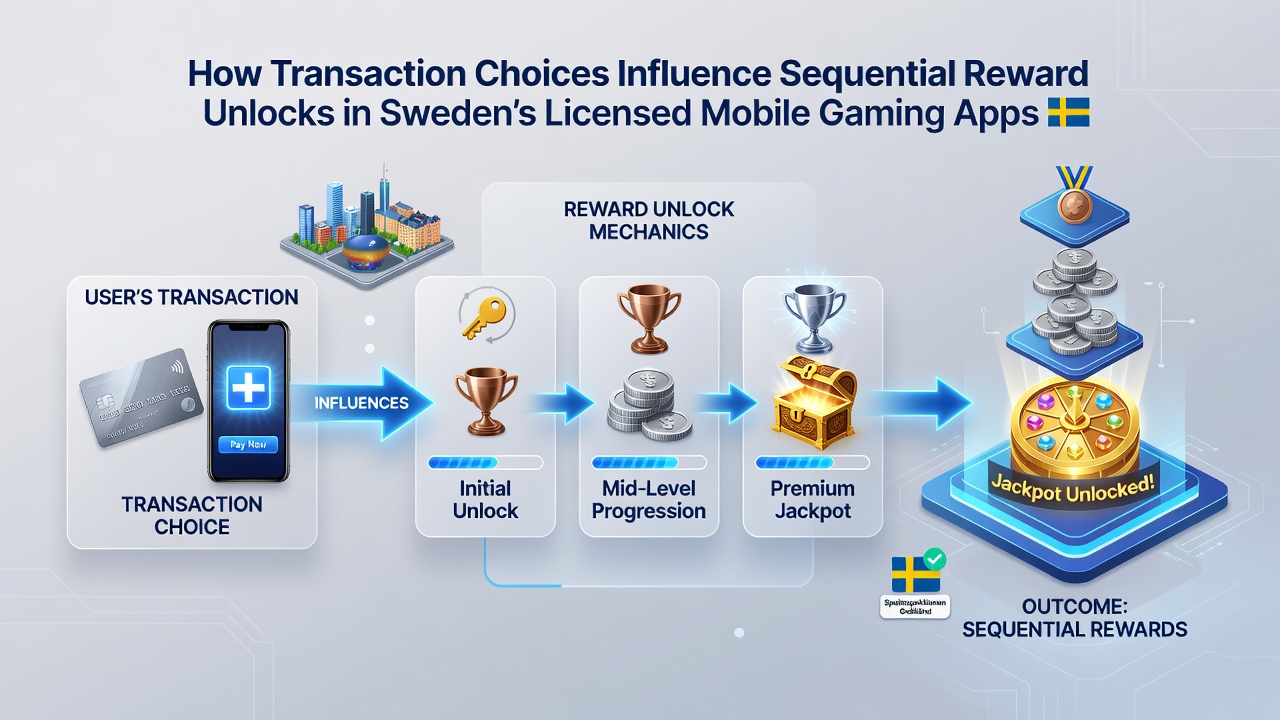
Comparative Effects Across Common Transaction Options
Studies of player behavior across licensed Swedish apps show measurable differences in unlock patterns tied to payment choice. Swish transactions, being domestic and instant, correlate with the shortest intervals between tiers because settlement occurs within seconds. International card payments introduce currency conversion steps that extend the first unlock window by several hours on average.
Prepaid vouchers and certain digital wallets occupy a middle ground, clearing quickly yet requiring extra confirmation steps that delay the second and third reward layers. Analysts tracking these patterns note that players combining multiple methods within a single session sometimes experience interrupted sequences when the system prioritizes the slowest transaction for overall verification.
Data Patterns from Licensed Operators
Figures compiled by industry monitoring groups indicate that apps using unified payment gateways achieve more consistent unlock timing across methods, whereas those relying on multiple external processors show greater variance. A 2025 industry report from the European Betting and Gaming Association highlighted how transaction reconciliation speed directly predicts progression through reward stages in regulated Nordic markets.
One analysis of mobile session data found that users favoring local instant options completed four-tier sequences in under 48 hours more frequently than those using cross-border methods. These outcomes remain consistent even when controlling for deposit amounts and play frequency.
Conclusion
Transaction choices in Sweden's licensed mobile gaming apps shape sequential reward unlocks through processing speed, verification requirements, and settlement timelines established by Spelinspektionen rules. Different methods produce distinct progression rhythms that operators must accommodate within their systems. As technical standards evolve toward September 2026, these influences may shift but will continue to rest on the same foundational connection between payment execution and reward activation.