Investigating Synchronization of Promotional Events with Major Sporting Fixtures in Regulated Online Gambling
Sofia Braun · Nov 8, 2026
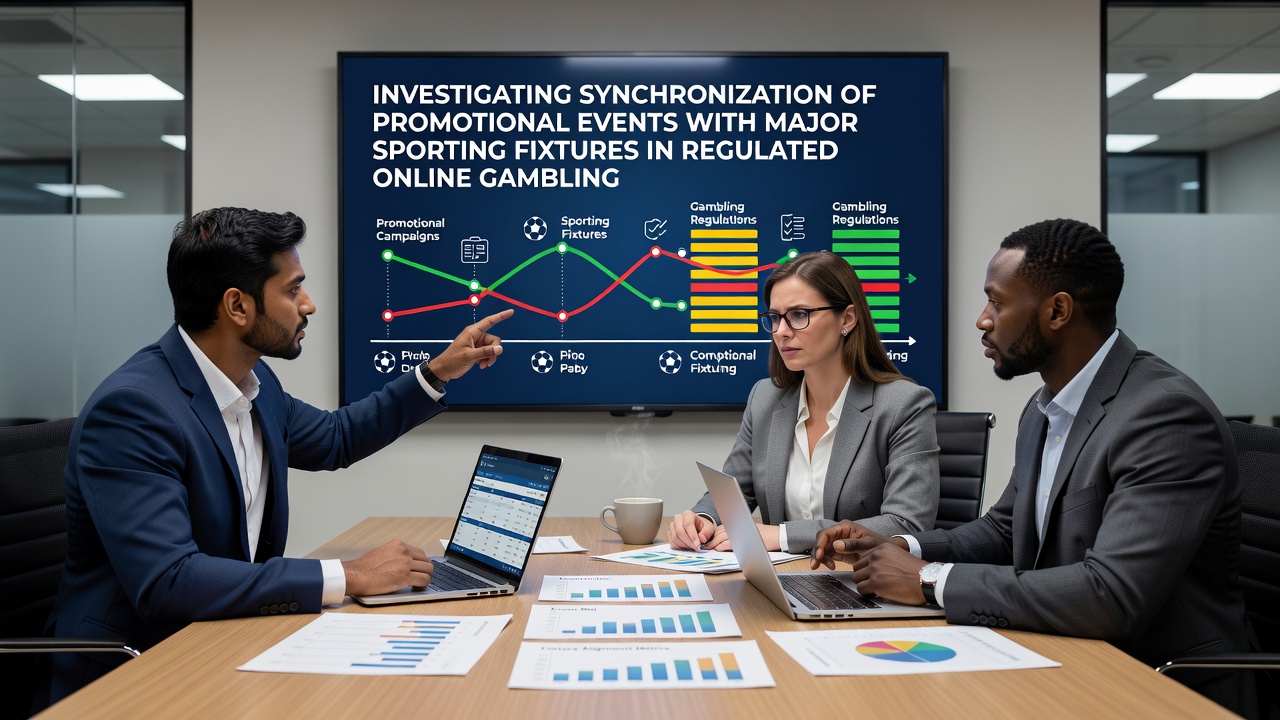
Investigating Synchronization of Promotional Events with Major Sporting Fixtures in Regulated Online Gambling
Regulated online gambling operators coordinate promotional campaigns with major sporting fixtures to align bonus structures and marketing pushes with periods of elevated viewer engagement, and data from multiple jurisdictions shows these alignments follow predictable patterns tied to event schedules. Operators track calendars for events such as the FIFA World Cup, UEFA European Championship, NFL Super Bowl, and Olympic Games, then activate deposit matches, free bet credits, and enhanced odds offers in the weeks leading up to and during the competitions themselves.
Regulatory Frameworks Shaping Promotional Timing
Authorities in several regions require operators to submit promotional calendars for review, and this process influences how closely campaigns can mirror live sporting calendars. In Ontario, the Alcohol and Gaming Commission of Ontario maintains records showing that approved promotions often launch within 48 hours of fixture announcements, provided they comply with responsible gambling messaging standards. Similar oversight exists in Australian states where state regulators review advertising copy and bonus terms before campaigns reach audiences, resulting in synchronized releases that coincide with opening matches of major tournaments.
Those who study these markets observe that operators maintain internal teams dedicated to fixture monitoring, and these teams use data feeds from sports leagues to adjust offer durations dynamically. For instance, when a league extends playoff schedules or reschedules matches, operators extend or compress corresponding bonus windows to maintain alignment without violating advertising blackout periods enforced by regulators.
Patterns Observed Across Multiple Markets
Analysis of operator activity reveals recurring sequences where promotions intensify during group stages of international football tournaments, then shift toward accumulator bonuses during knockout phases. Research conducted by the Alcohol and Gaming Commission of Ontario documented increased promotional volume during the 2022 FIFA World Cup period, with regulated platforms in the province recording measurable spikes in new account registrations that tracked match schedules rather than random distribution.
Similar patterns appear in North American markets around the Super Bowl, where operators activate cashback offers and parlay boosts timed to the week of the championship game. These activations follow league announcements of venue and date, which typically occur months in advance and allow operators to pre-load marketing assets into their systems.
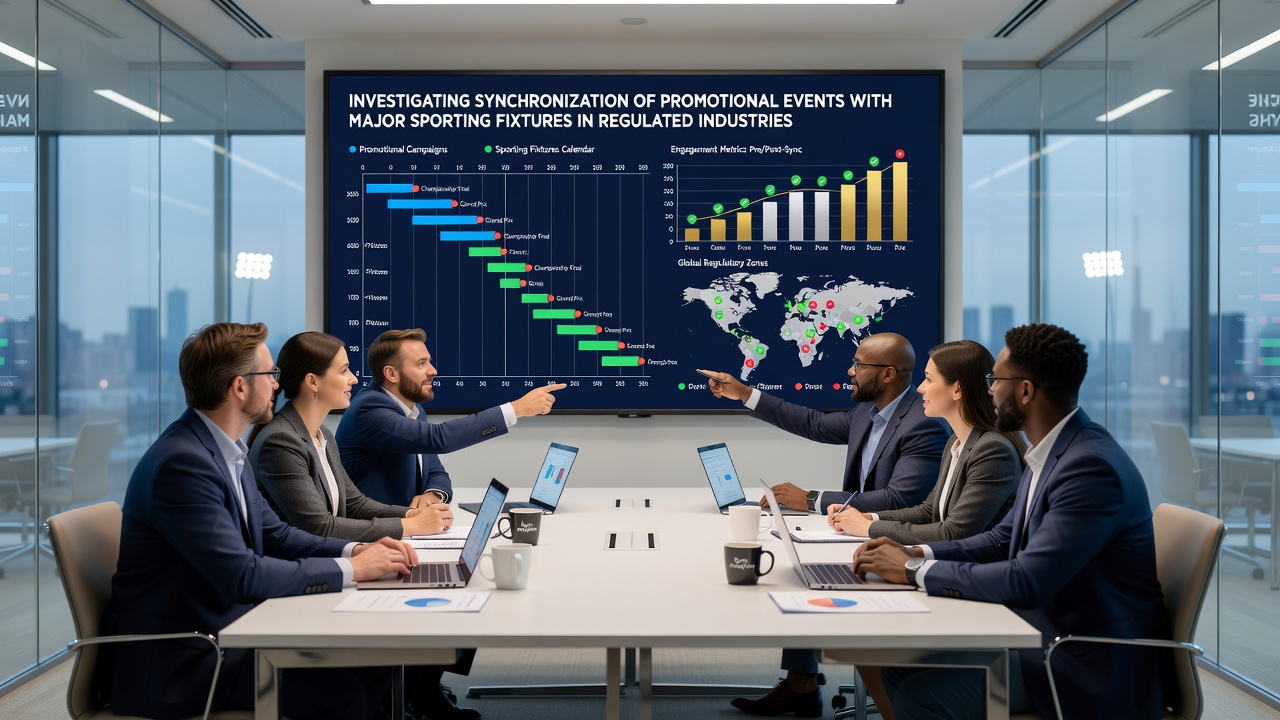
November 2026 Considerations
Planning cycles for November 2026 already incorporate major fixtures including UEFA Champions League group matches and NBA regular season openings, and operators in regulated Canadian and Australian markets have begun preliminary coordination with these dates. Because the 2026 FIFA World Cup occurs in June and July, operators anticipate secondary promotional waves tied to qualifying matches and related international friendlies that fall in the preceding November window, creating opportunities for cross-promotion between club and national team betting products.
Those monitoring regulatory filings note that operators must submit detailed calendars that list exact start and end dates for each offer, and these submissions increasingly reference specific sporting events to justify the chosen timing windows. Regulators evaluate whether the promotions emphasize skill-based elements or responsible play messages alongside the event tie-ins.
Data Collection and Measurement Practices
Operators employ analytics platforms that correlate bet volumes with live event data, and studies from academic research centers indicate that synchronized promotions produce higher engagement metrics during the first 90 minutes of match broadcasts. Figures released by industry research groups show that deposit activity rises measurably within two hours of match kickoffs when operators run concurrent time-limited offers, though these increases vary by sport and by the regulatory maturity of each market.
European operators regulated under national frameworks outside the UK system report parallel findings, with promotional calendars adjusted after fixture releases from governing bodies such as UEFA and FIFA. The synchronization process requires coordination between compliance teams and marketing departments to ensure that bonus terms remain within permitted parameters while still capitalizing on audience attention.
Conclusion
Regulated operators continue to refine their methods for aligning promotional events with sporting fixtures through structured regulatory submissions, internal scheduling teams, and data-driven adjustments. Information from oversight bodies in Ontario and Australian jurisdictions demonstrates consistent timing patterns that track major events across football, American football, and basketball calendars, including anticipated activity around November 2026 fixtures. These practices operate within frameworks that require pre-approval and responsible messaging, producing measurable correlations between event schedules and promotional activation without deviating from established compliance requirements.