Seasonal Shifts in eSports Viewership and Their Ties to Tiered Cashback Structures on Regulated Swedish Apps
Sofia Braun · Nov 22, 2026
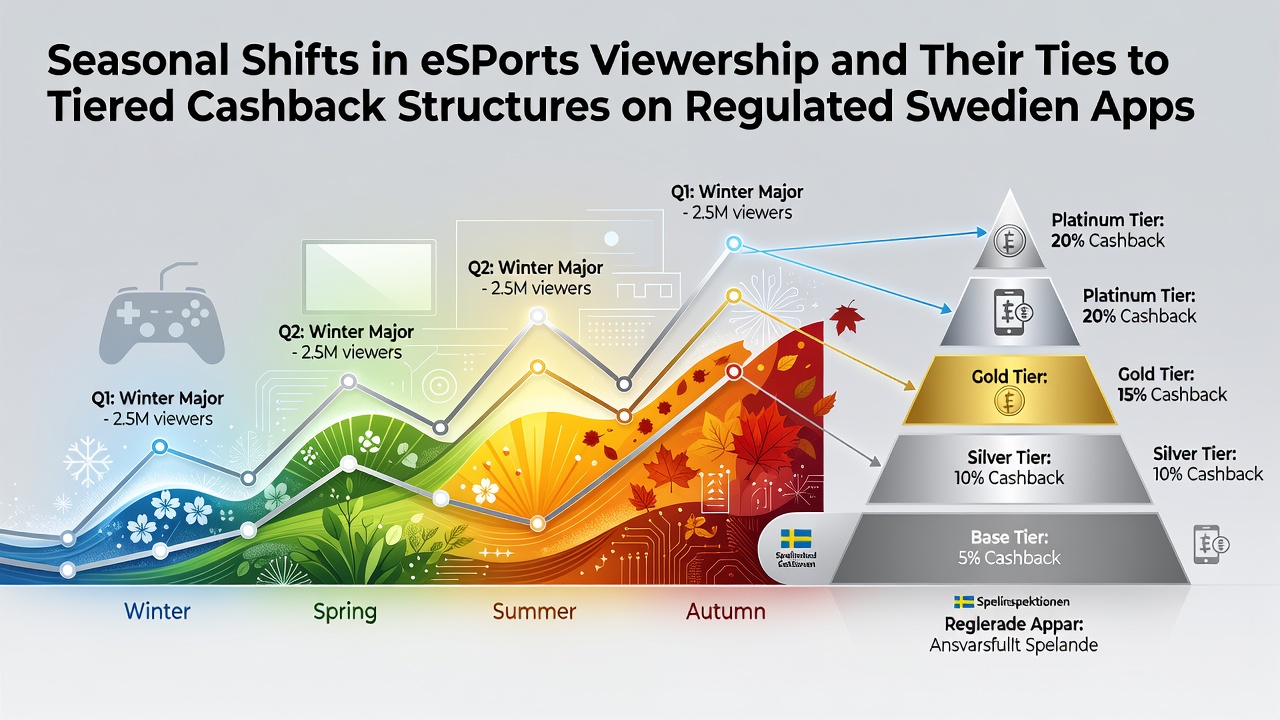
Seasonal Shifts in eSports Viewership and Their Ties to Tiered Cashback Structures on Regulated Swedish Apps
Seasonal patterns in eSports viewership follow predictable cycles tied to league schedules and championship events across titles like League of Legends, Counter-Strike, and Dota 2, while regulated Swedish apps adjust tiered cashback structures to match these peaks in user engagement and betting activity. Data from industry reports show that viewership surges during fall tournaments often coincide with expanded cashback tiers on mobile platforms licensed by Spelinspektionen, creating direct links between spectator numbers and reward mechanics. Observers note that these alignments emerge because operators track viewership metrics to calibrate promotional layers, ensuring cashback percentages scale with deposit volumes during high-traffic months.
Mapping eSports Calendar Cycles and Audience Fluctuations
Major eSports circuits divide the year into distinct phases where spring brings regional qualifiers, summer hosts international mid-season events, and autumn delivers world championships that draw global audiences. Research from the European Games Developer Federation indicates that viewership for League of Legends events climbs sharply between September and November, with peak concurrent viewers exceeding prior quarters by substantial margins. These cycles drive corresponding increases in betting interest on Swedish apps, where users place wagers on match outcomes and in-game metrics during live streams.
Platforms respond by activating higher cashback tiers that return portions of losses based on total monthly activity, and these structures often expand eligibility during tournament windows. Figures from Nordic gaming analyses reveal that average daily active users on regulated apps rise in tandem with eSports broadcasts, prompting operators to recalibrate reward brackets so that mid-tier players access elevated cashback rates once they surpass defined wager thresholds.
How Regulated Swedish Apps Structure Tiered Cashback
Swedish licensing requirements mandate transparent cashback frameworks on mobile apps, where tiers typically range from base returns on standard deposits to premium percentages unlocked after cumulative play volumes reach set milestones. Operators segment users by activity history, and seasonal data shows that eSports-heavy periods accelerate progression through these layers because betting frequency climbs alongside tournament schedules. According to reports issued by the European Commission on digital markets, such tiered systems must maintain clear eligibility criteria that avoid misleading promotions, which leads apps to publish updated brackets ahead of anticipated viewership spikes.
Take one operator that synchronizes cashback resets with the start of major autumn events, allowing users who deposit during opening weeks to qualify for accelerated tier advancement based on verified transaction records. This approach aligns reward delivery with periods when eSports audiences expand, and transaction logs indicate that cashback claims increase proportionally during these windows. Those who've examined platform analytics observe that lower entry tiers remain stable year-round, yet upper tiers activate additional multipliers when viewership data signals sustained engagement across multiple titles.
Connections Between Viewership Peaks and Reward Adjustments
Evidence links eSports audience growth directly to cashback utilization rates because users who follow tournaments often increase deposit and wager activity on the same apps that stream or reference these events. Studies conducted by research institutions in Scandinavia demonstrate that November periods, including projected 2026 championship schedules, produce measurable upticks in both spectator counts and cashback redemptions on licensed Swedish platforms. Operators monitor these correlations through aggregated user data, adjusting tier thresholds so that cashback percentages reflect actual participation volumes rather than fixed annual rates.
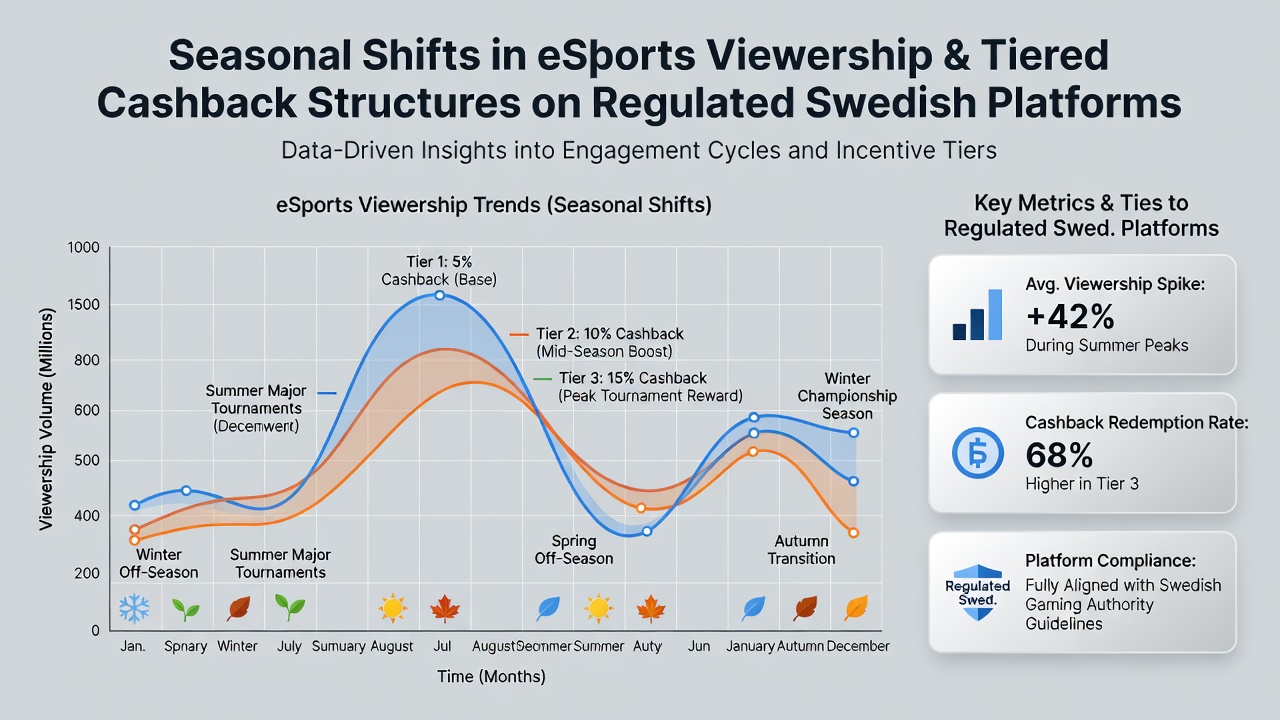
What's notable is that apps integrate these adjustments without altering core licensing terms, maintaining compliance while responding to external viewership rhythms. Data shows that players who engage during high-viewership months reach premium cashback brackets faster, and this pattern holds across multiple regulated providers operating under Swedish jurisdiction. Analysts point to synchronized promotional calendars where cashback campaigns launch alongside tournament qualifiers to capture the expanded user base.
November 2026 Outlook and Platform Adaptations
November 2026 stands to feature overlapping eSports finals across several major titles, and licensed Swedish apps have begun preparing tiered cashback expansions that scale with expected audience sizes. Regulatory filings indicate that operators will publish updated reward tables in advance, ensuring that cashback eligibility ties explicitly to verifiable activity during these concentrated periods. Those monitoring industry trends note that such preparations follow established patterns where viewership forecasts inform mechanical changes to deposit bonuses and loss-recovery structures.
External reports from academic sources at institutions across the EU further confirm that seasonal betting volumes on mobile platforms track eSports calendars closely, which in turn shapes how cashback tiers distribute returns to active users. This creates a feedback loop where increased viewership fuels higher platform engagement, prompting operators to refine their tier systems for the following cycle.
Conclusion
Seasonal eSports viewership shifts maintain measurable connections to tiered cashback structures on regulated Swedish apps through data-driven adjustments that align reward tiers with audience and betting patterns. These dynamics rest on transparent licensing frameworks and observable usage metrics that operators apply consistently across tournament seasons. As calendars advance toward periods like November 2026, the interplay between spectator numbers and cashback mechanics continues to evolve based on verified trends rather than isolated events.