The Influence of Responsible Gambling Tools on Bonus Eligibility Criteria in Sweden's Licensed Casinos
Felix Frank · Oct 25, 2026
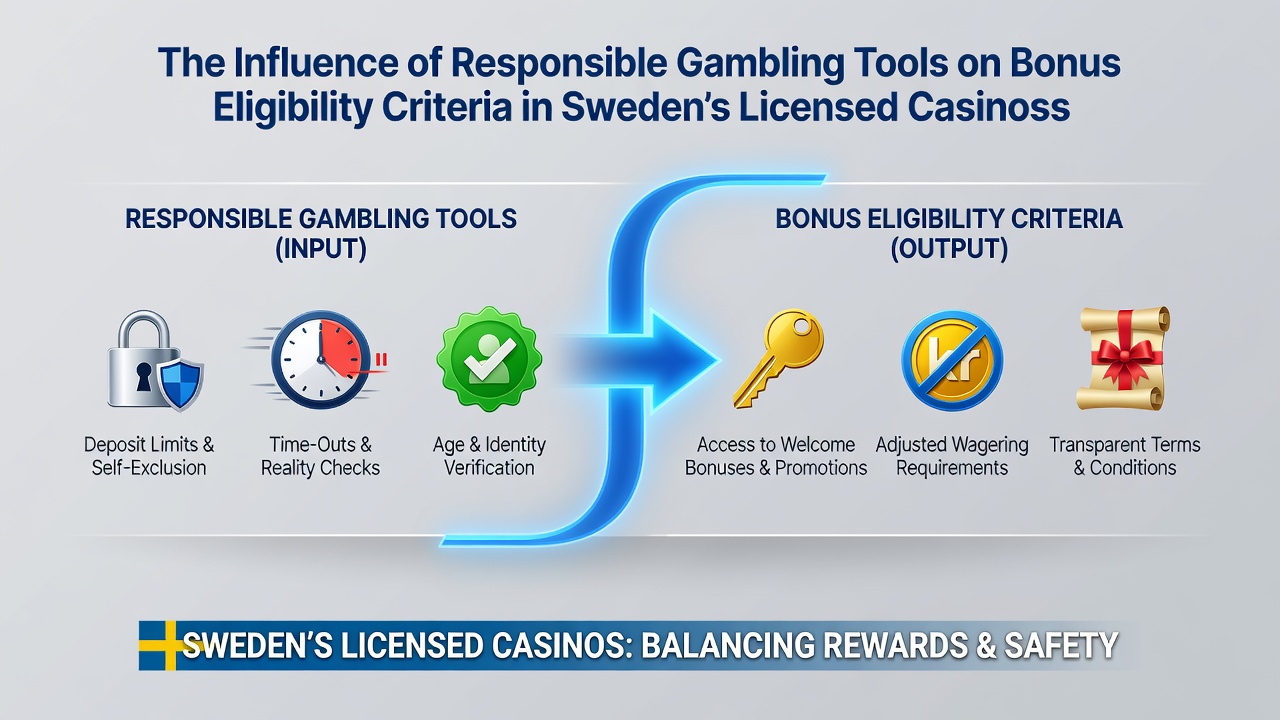
The Influence of Responsible Gambling Tools on Bonus Eligibility Criteria in Sweden's Licensed Casinos
Sweden's licensed casino market operates under strict oversight from the Spelinspektionen, where operators must integrate responsible gambling measures directly into player accounts, and these tools often determine whether bonus offers remain accessible or become restricted. Players encounter deposit limits, session timers, reality checks, and self-exclusion options that interact with promotional rules in ways that shape eligibility from the moment an account is created.
Core Responsible Gambling Mechanisms and Their Reach
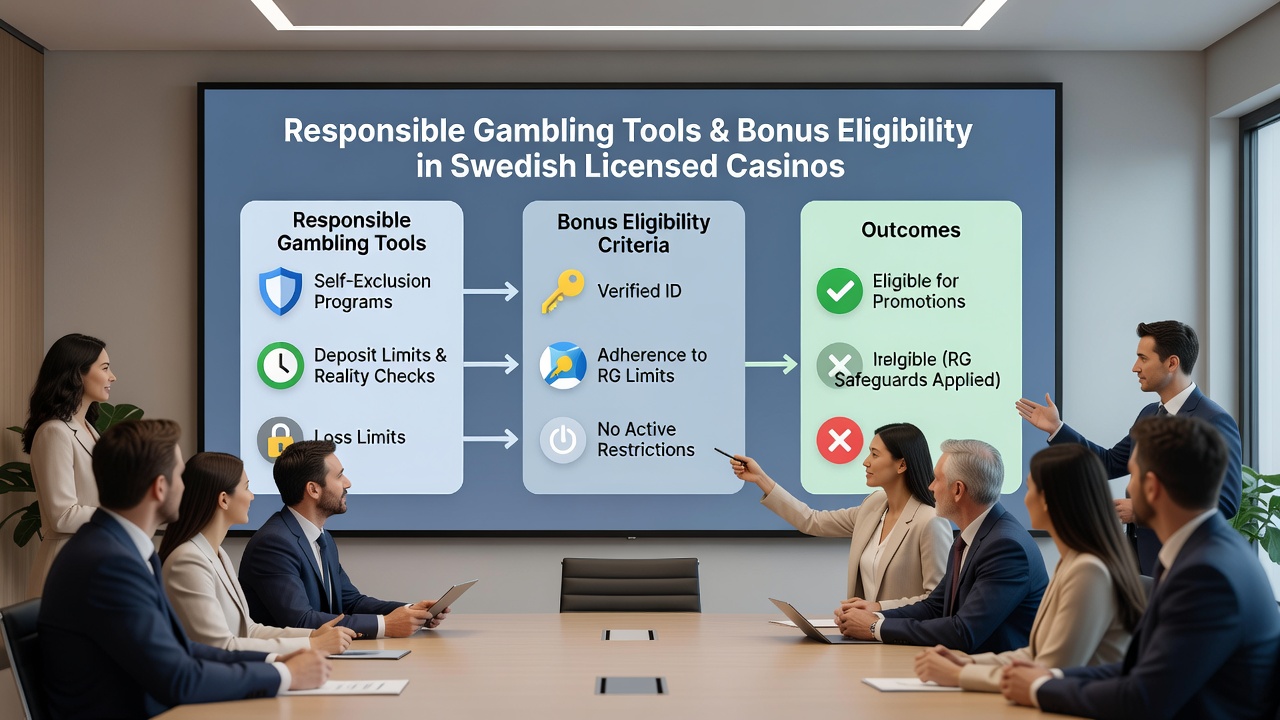
Every licensed operator in Sweden must provide access to Spelpaus, the national self-exclusion register, along with customizable loss and deposit caps that players set at registration or later, while data from the authority shows steady adoption rates across the regulated sector through 2025 and into subsequent periods. These features run in real time, so a player who activates a temporary exclusion sees immediate suspension of all account functions, including pending bonus activations and wagering progress toward completion requirements. Operators track these settings through centralized reporting systems, which means bonus terms frequently include clauses that void eligibility if a player has used or is currently using any mandatory tool during the promotional period.
Bonus Eligibility Rules Under Current Licensing Conditions
Swedish casino bonuses typically arrive with wagering multipliers, game contribution percentages, and time-bound validity windows, yet eligibility hinges on the absence of active responsible gambling interventions because regulators require operators to prevent promotions from encouraging excessive play. When a player sets a strict monthly loss limit, for instance, the system flags the account, and many bonus structures automatically disqualify that player from claiming new offers until the limit period ends or the player adjusts the setting within allowed parameters. Research from Nordic gaming studies indicates that accounts with multiple active tools show lower bonus claim rates compared to unrestricted profiles, reflecting how the tools create built-in checkpoints that operators must honor to maintain their licenses.
Operators publish clear bonus conditions that reference these tools explicitly, and failure to comply can result in bonus forfeiture plus account review, while players who maintain moderate settings without triggering exclusions retain full access to welcome packages and ongoing promotions. The interplay becomes more pronounced on mobile platforms, where session reminders pop up during play and can pause bonus-related activity if a player approaches a pre-set time threshold.
Practical Effects on Player Progression and Reward Access
Those who study retention patterns in the Swedish market observe that players who engage with reality check features mid-session sometimes find their bonus eligibility reset or paused because the tool interrupts the continuous play required for certain free spin or cashback triggers. Deposit bonuses tied to first-time funding also carry hidden dependencies on limit settings, since an account that already uses a weekly cap may receive a reduced offer or none at all until the cap is reviewed and confirmed as non-restrictive. Figures from industry reports reveal that approximately one in five regulated accounts carries at least one active tool at any given time, directly correlating with adjusted bonus portfolios that operators tailor to stay compliant.
Regulatory Developments Approaching October 2026
Upcoming adjustments scheduled for October 2026 aim to strengthen data sharing between Spelpaus and individual casino systems, which will likely expand how bonus eligibility algorithms detect prior tool usage across multiple operators, and early consultations suggest operators will need to implement additional verification steps before releasing promotional funds. According to Spelinspektionen documentation, these changes build on existing frameworks that already require transparent reporting of how responsible tools intersect with marketing activities. Meanwhile, comparative analyses from other regulated regions, including data shared through the Responsible Gambling Council, highlight similar patterns where limit tools reduce bonus uptake yet improve long-term compliance metrics.
Operator Compliance Practices and Reporting Obligations
Licensed casinos must submit quarterly reports detailing bonus redemptions alongside responsible tool activations, allowing the authority to monitor whether promotional offers disproportionately reach players without active safeguards. When discrepancies appear, operators face corrective measures that include revising bonus structures to exclude accounts with recent tool engagement, a process that keeps the system aligned with consumer protection priorities. Players receive notifications through their account dashboards explaining how a chosen limit or exclusion period will affect future offers, which maintains transparency without requiring separate policy documents.
Conclusion
Responsible gambling tools in Sweden's licensed casinos function as gatekeepers that directly shape bonus eligibility by enforcing real-time restrictions and reporting requirements that operators must respect. As regulatory refinements continue toward October 2026, these interactions are set to become more integrated, ensuring that promotional access remains tied to verified player settings across all platforms. The result is a system where data-driven compliance governs both player protection and reward availability in equal measure.